Blow Up: A Dynamic Display Font for Creative Projects
Introduction — What is Blow Up?
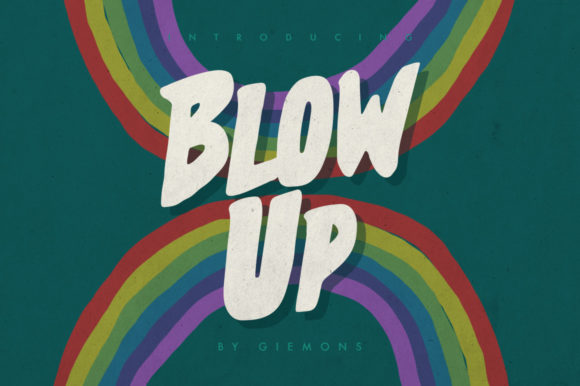
Blow Up is a bold, expressive display font that captures attention with its paint-brushed aesthetic. Designed for high-impact visual applications, this font brings energy and personality to any project. Whether you're working on digital designs, crafting, presentations, or greeting cards, Blow Up has the potential to become your favorite go-to font. For those looking to start experimenting, a Blow Up free download is available on several font platforms, making it accessible for both personal and commercial use cases.
As a display font, Blow Up stands out for its unique texture and organic feel. Unlike standard sans-serif or serif fonts, it's crafted to be the focal point of your design. Its hand-painted style gives it a human touch, ideal for branding, packaging, and social media visuals where authenticity and creativity are key.
Design & Style Analysis
Blow Up’s design language is rooted in expressive brushwork and dynamic contrast. It’s a font that doesn’t just communicate a message—it amplifies it. The texture mimics real paint strokes, giving it a tactile quality that’s rare in digital typefaces.
Letterforms and Personality
The letterforms in Blow Up are bold and slightly irregular, evoking a sense of spontaneity. This makes it ideal for designs that aim to feel hand-crafted or artistic. Compared to other display fonts, Blow Up leans more toward the edgy and expressive side, making it a strong choice for modern, youthful, or rebellious branding.
Weight and Spacing
Blow Up features a heavy weight with tight spacing, creating a solid block of text that’s perfect for headlines and logos. However, this also means it should be used sparingly to avoid overwhelming the design. When compared to lighter premium display fonts, Blow Up sacrifices subtlety for visual punch.
Best Uses for Blow Up
Blow Up excels in projects that demand attention. Its high-energy design makes it unsuitable for body text but perfect for titles, logos, and short-form copy.
Blow Up for Logo Design
This font works exceptionally well for logo design, especially for brands in the creative, music, or streetwear industries. Its bold presence ensures that your logo stands out while conveying a sense of movement and excitement.
Blow Up for Branding
Using Blow Up in branding materials like business cards, packaging, and social media templates can create a cohesive and memorable identity. It pairs well with minimalist design elements to balance its visual intensity.
Blow Up for Wedding Invitations and Typography
For couples looking for a modern, non-traditional wedding aesthetic, Blow Up can add a touch of edginess to invitations and signage. It’s also a favorite among designers for expressive typography pieces like quote posters or art prints.
Blow Up for Posters and Social Media
Whether you're designing a gig poster or a promotional graphic for Instagram, Blow Up ensures your message pops. It’s especially effective when used with contrasting colors and clean layouts.
Font Pairing & Combinations
Because of its strong visual character, Blow Up works best when paired with more neutral fonts that allow it to shine without causing visual clutter.
- Serif + Blow Up: Pairing with a classic serif like Playfair Display creates a contrast between traditional and modern aesthetics.
- Sans-serif + Blow Up: Using a clean sans-serif like Montserrat or Open Sans as body text balances the boldness of Blow Up headlines.
- Script + Blow Up: For wedding or event designs, combining Blow Up with a delicate script font adds elegance and contrast.
Designers often ask, what fonts pair well with Blow Up? The answer lies in simplicity—let Blow Up be the star and support it with minimalist companions. This approach is key to achieving Blow Up font pairing success.
Licensing & Commercial Use
One of the most common questions about Blow Up is: is Blow Up free for commercial use? Fortunately, many platforms offer it under a license that allows both personal and commercial use, though it's always wise to double-check the specific terms.
When downloading Blow Up, make sure you understand the Blow Up font license associated with your chosen source. While the Blow Up free download version is often sufficient for small-scale projects, larger brands or commercial ventures may want to invest in a premium license for added flexibility and legal protection.
For professional Fonts usage in client work or product packaging, confirming the Blow Up commercial use rights is essential to avoid any licensing issues down the line.
How to Download & Use Blow Up
Getting started with Blow Up is easy. You can find a download Blow Up font free option on platforms like CreativeFabrica, DaFont, and FontSquirrel. These sites often provide ZIP files containing the font in TTF or OTF formats, ready for installation on your system.
Once downloaded, Blow Up can be used in popular design tools like Canva, Adobe Photoshop, and Microsoft Word. If you're wondering how to use Blow Up in Canva/Word/Photoshop, the process is straightforward: install the font on your device, then select it from the font menu within your chosen application.
Designer Notes & Tips
When working with Blow Up, keep a few key tips in mind to maximize its impact:
- Test in black and white: Sometimes the texture gets lost in monochrome prints.
- Check readability at small sizes: Blow Up is best used at larger sizes where its details can shine.
- Adjust spacing: Kerning may need tweaking to avoid letter collision, especially in all-caps settings.
Comparing Blow Up to similar fonts like Streetwear or Bold Script reveals that it strikes a unique balance between raw texture and readability. If you're curious about Blow Up vs similar font comparisons, its hand-painted edge and strong legibility make it a standout in the display font category.