Mikulsa: A Modern Paint-Brushed Handwritten Font for Digital Branding
Mikulsa and the Power of Script Handwritten Typography in Web Design
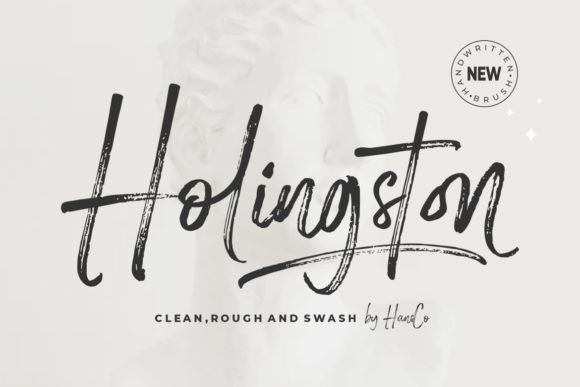
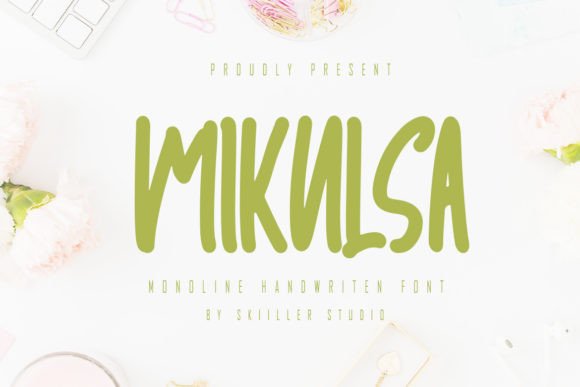
Mikulsa is a modern paint-brushed handwritten font that brings a dynamic, confident tone to digital design. As a script handwritten typeface, Mikulsa excels in logotype projects, headlines, and brand-focused web experiences. Whether you're crafting a landing page, online store, or portfolio site, Mikulsa adds a stylish, urban edge that feels both expressive and intentional. Its textured strokes and flowing lines give digital creators a premium font option that stands out without sacrificing readability.
Using Mikulsa for Website Headers and Hero Sections
As a web designer, I often look for display fonts that command attention while maintaining clarity. Mikulsa fits perfectly in hero sections where bold typography drives engagement. Its paint-brushed texture adds a tactile quality to digital layouts, making headlines feel more human and less machine-generated. When used in website headers, Mikulsa sets a strong visual hierarchy, guiding users through the page with confidence and style. Pair it with a clean sans serif font for body copy, and you create a balanced, readable layout that supports brand tone and user focus.
How Mikulsa Enhances Brand Tone in Online Stores
For boutique online stores or creative brands, Mikulsa works well in banners, product titles, and logo text. The font reads as strong and dynamic, which is essential for brands wanting to project confidence and modernity. Since Mikulsa is a script handwritten font, it adds a personal, artisanal touch that resonates with audiences seeking authenticity. When designing e-commerce templates or Shopify themes, I often use Mikulsa in hero banners and featured collection titles to create visual rhythm and brand distinction. It pairs beautifully with minimalist layouts, letting the font’s texture and movement shine.
Mikulsa for Digital Ads and Social Media Graphics
In fast-paced digital environments, readability and impact are key. Mikulsa’s bold, expressive strokes make it ideal for short-form digital ads and social media graphics. Whether used in Instagram story headers, Facebook carousel titles, or Pinterest pins, Mikulsa captures attention quickly. As a UI designer, I recommend using Mikulsa sparingly in these formats—best reserved for headlines or key phrases. Its decorative nature makes it less ideal for long blocks of text, but perfect for punchy, visual-driven content that needs to stand out in a scroll-heavy feed.
Visual Hierarchy and Readability with Mikulsa in Landing Pages
Landing pages require clear visual hierarchy to guide users toward conversions. Mikulsa shines in hero titles and call-to-action sections when used at the right size and contrast. On light backgrounds, its paint-brushed texture reads cleanly, while on dark backgrounds, it adds depth and dimension. When designing landing pages, I often use Mikulsa for the main headline and pair it with a more neutral font for subheadings and body text. This approach ensures readability remains high while maintaining a strong brand impression. For mobile responsiveness, I recommend testing Mikulsa at smaller sizes to ensure legibility on all screens.
Font Pairing Strategies with Mikulsa in Web Design
Font pairing is crucial in digital design to maintain balance and readability. Mikulsa works best when paired with a simple, functional font like a sans serif or serif typeface. For example, using Mikulsa as a logo font and pairing it with a clean sans serif like Open Sans or Lato for navigation and body text creates a modern, cohesive look. In editorial-style websites or course landing pages, Mikulsa can serve as a decorative header while a serif font handles longer-form content. The contrast between a dynamic script handwritten font and a more structured typeface enhances both visual appeal and user engagement.
Mikulsa for Logo Design and Brand Identity Kits
Logotype projects benefit greatly from Mikulsa’s strong, confident character. As a script handwritten font, it brings a personal, artistic edge to brand identities. Whether designing for a creative agency, lifestyle brand, or coaching website, Mikulsa offers a modern alternative to traditional logo fonts. I often recommend using Mikulsa in logo text where a bold, expressive look is desired. Its paint-brushed texture works well in both digital and print applications, making it versatile for brand kits that include website headers, social media graphics, packaging design, and email templates.
Practical Tips for Using Mikulsa in Responsive Web Layouts
When integrating Mikulsa into web design, consider how it performs across devices. At larger sizes on desktop, Mikulsa’s texture adds richness to headlines. On mobile, ensure the font weight and spacing remain legible. I recommend using Mikulsa primarily for headings, hero titles, and accent text rather than body copy. When applying it over images or dark backgrounds, always test contrast levels to maintain readability. Also, consider using fallback fonts in your CSS to preserve visual consistency if Mikulsa isn’t supported on all devices.
What to Check Before Licensing Mikulsa for Commercial Projects
Before using Mikulsa in client work or online stores, verify its licensing terms. Most premium fonts require a commercial license for use in websites, digital templates, and brand assets. Check if the font includes multiple weights, alternates, and multilingual support—especially if your project targets global audiences. Ensure that webfont formats (like WOFF or TTF) are available for seamless integration into CSS. A well-licensed, high-quality script handwritten font like Mikulsa not only elevates your design but also ensures legal compliance and professional credibility.
Final Thoughts: Mikulsa as a Versatile Fonts Choice for Digital Creators
For web designers, UI designers, and digital product creators, Mikulsa offers a modern, expressive option for logotype projects and headline typography. Its paint-brushed texture brings a tactile, artistic feel to digital layouts while maintaining strong readability and brand impact. Whether used in landing pages, online stores, branding kits, or social media graphics, Mikulsa supports a confident, dynamic tone that resonates with creative audiences. As a script handwritten font, it bridges the gap between digital usability and artistic expression—making it a valuable addition to any designer’s toolkit.